
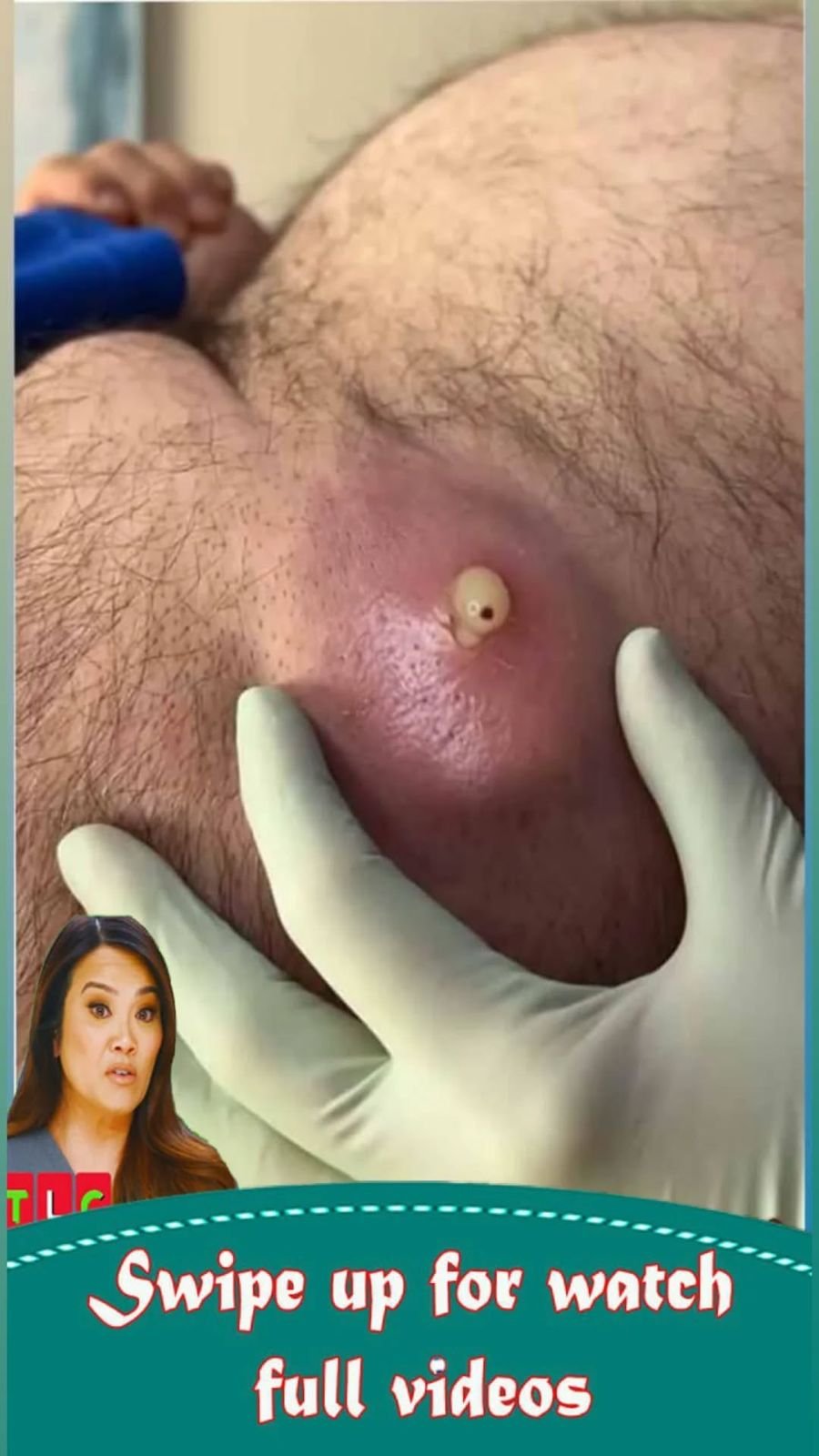
Body Acne Is Normal — And Manageable
Acne affects nearly 1 in 10 people worldwide, and while it can take a toll on confidence, it’s important to remember: acne is just a condition — not a reflection of beauty. With the right care, body breakouts can be managed effectively.
Start with daily habits. Shower after sweating to wash away bacteria and oil buildup, and use gentle exfoliating scrubs to remove dead skin cells that clog pores. Choose loose, breathable clothing and keep long hair off your back to reduce friction and trapped oil. When picking skincare, look for active ingredients like salicylic acid or tea tree oil, which fight inflammation and prevent new blemishes.
Healthy living supports clear skin, too. Stay hydrated, get enough rest, and eat anti-inflammatory foods — berries, nuts, and whole grains are great choices. Avoid popping pimples, which can cause scarring and spread bacteria. If breakouts persist, a dermatologist can recommend stronger treatments or prescription options.
Most importantly, be kind to yourself. Acne is common, temporary, and treatable — but your worth isn’t measured by your skin. With patience and proper care, your body will heal, and your confidence will shine through.
- Treating body acne involves a combination of good skincare practices, lifestyle changes, and, in some cases, professional intervention. Here are 10 effective methods for treating body acne:
- Choose a mild, fragrance-free cleanser to avoid irritation.
- Cleanse affected areas once or twice daily, especially after sweating.
- 2. Exfoliate Regularly:
- Use a gentle exfoliating scrub or body wash containing salicylic acid or glycolic acid to remove dead skin cells.
- Exfoliate 2-3 times per week to prevent clogged pores.
- 3. Wear Loose Clothing:
- Opt for loose-fitting, breathable clothing, especially during physical activities.
- Tight clothing can trap sweat and bacteria against the skin, exacerbating acne.
4. Choose Non-Comedogenic Products:
- Use skincare and body care products labeled “non-comedogenic” to prevent pore blockages.
- Avoid products containing heavy oils and fragrances.
5. Shower After Exercise:
- Shower as soon as possible after sweating to remove excess oils and bacteria.
- Use an antibacterial soap or a gentle cleanser.
6.Keep Bedding Clean:
- Wash your sheets, pillowcases, and towels regularly to minimize bacteria transfer.
- Use fragrance-free laundry detergents to avoid skin irritation.
7. Spot Treat with Benzoyl Peroxide:
- Apply benzoyl peroxide to individual acne lesions to reduce inflammation and kill bacteria.
- Start with a lower concentration to minimize dryness and irritation.
8. Consider Salicylic Acid Pads:
- Use salicylic acid pads to swipe over affected areas, helping to unclog pores.
- Incorporate this into your routine a few times a week
9. Hydrate Your Skin:
- Use a lightweight, non-comedogenic moisturizer to keep your skin hydrated.
- Moisturizing can help prevent excessive dryness caused by acne treatments.
10. Consult a Dermatologist:
- If over-the-counter treatments are not effective, consult a dermatologist for personalized advice.
- Prescription medications, such as topical or oral antibiotics, may be recommended for severe cases.
Remember, consistency is key when treating body acne. It may take time to see results, and it’s important to avoid picking or squeezing acne lesions, as this can lead to scarring and worsen the condition. If you’re unsure about the best approach for your specific situation, seeking professional advice is always a good idea.
Body acne can be challenging, but there are several effective methods for treating it. Here are 10 methods to consider:
– 1. Choose a Mild Cleanser: Use a fragrance-free cleanser to avoid skin irritation, and cleanse affected areas once or twice daily, especially after sweating.
– 2. Exfoliate Regularly: Exfoliate 2-3 times a week to remove dead skin cells and prevent clogged pores. Use a gentle exfoliating scrub or body wash containing salicylic acid or glycolic acid.
– 3. Wear Loose Clothing: Opt for loose-fitting, breathable clothing to reduce friction and prevent sweat and bacteria from getting trapped against the skin.
– 4. Use Non-Comedogenic Products: Choose skincare and body care products labeled “non-comedogenic” to prevent pore blockages. Avoid products containing heavy oils and fragrances.
– 5. Shower After Exercise: Shower as soon as possible after sweating to remove excess oils and bacteria. Use an antibacterial soap or a gentle cleanser.
– 6. Keep Bedding Clean: Wash your sheets, pillowcases, and towels regularly to minimize bacteria transfer.
– 7. Spot Treat with Benzoyl Peroxide: Apply benzoyl peroxide to individual acne lesions to reduce inflammation and kill bacteria. Start with a lower concentration to minimize dryness and irritation.
– 8. Consider Salicylic Acid Pads: Use salicylic acid pads to swipe over affected areas, helping to unclog pores. Incorporate this into your routine a few times a week.
– 9. Hydrate Your Skin: Use a lightweight, non-comedogenic moisturizer to keep your skin hydrated. Moisturizing can help prevent excessive dryness caused by acne treatments.
– 10. Consult a Dermatologist: If over-the-counter treatments are not effective, consult a dermatologist for personalized advice. Prescription medications, such as topical or oral antibiotics, may be recommended for severe cases.