

What Is the Gap Between the Legs?
The “gap between the legs” is a term that is often used in casual conversations but lacks a clear, scientific definition. This gap, often noticed between the thighs, is a physical characteristic that varies widely from person to person, and is typically influenced by a range of factors including genetics, hormonal fluctuations, and body composition. While some may focus on the appearance of this gap, it is important to understand that it is a natural variation of human anatomy and does not define a person’s health, beauty, or worth. This article takes a deeper dive into the factors that contribute to the gap between a woman’s legs, exploring its biological origins and how it reflects the body’s natural processes. We will also discuss how the gap relates to overall health, fitness, and body image, and why it’s essential to view this feature through an informed and respectful lens.
What Is the Gap Between the Legs?

The space between the legs, commonly referred to as the “thigh gap,” is simply a part of the body’s anatomical structure. It refers to the distance between the inner thighs when a person stands with their legs straight and feet together. However, it’s important to clarify that this space is not necessarily a sign of fitness or health—it is simply an anatomical feature that varies across individuals.
The Role of Genetics in the Gap

Genetics play a significant role in determining the width of the hips and thighs. Women with a wider pelvic structure, a result of their unique genetic makeup, may have more space between their legs. The pelvis, a bone structure located at the base of the spine, serves as the foundation for the lower body and helps determine how the legs are aligned. People with a wider pelvis tend to have a naturally larger gap between their thighs, whereas those with a narrower pelvis may have less of a gap. This is purely a result of anatomy and is not a reflection of health or physical fitness. It’s crucial to note that this space has no direct correlation with a woman’s level of health or her body composition.
The Female Pelvic Region: A Deeper Look
To understand the gap between the legs, it’s essential to dive deeper into the anatomy of the pelvic region. The pelvis is composed of the hip bones, sacrum, and coccyx, which form the structure that supports the weight of the upper body. The pelvic region is also home to various vital organs, including the bladder, uterus, and rectum.
Pelvic Structure and Its Impact on Leg Alignment
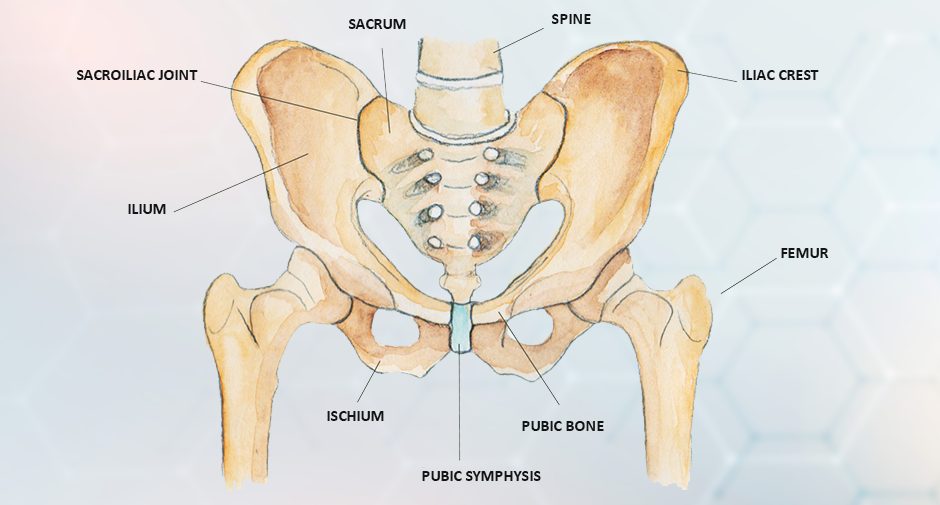
The pelvic bones are responsible for the alignment of the legs. The femur (thigh bone) connects to the pelvis, and the way these bones are structured determines how much space exists between the legs. People with a broader pelvis typically have more space between their thighs. This anatomical variation can also impact posture, mobility, and the way the body functions during activities like walking, running, and sitting.
Hormonal Influence on the Pelvic Region
Hormones also play a crucial role in shaping the pelvic region. During puberty, the body undergoes hormonal changes that cause the pelvic bones to widen and the body to develop secondary sexual characteristics. This is particularly noticeable in women, as their bodies prepare for potential reproduction. The hormone estrogen encourages the growth of wider hips, which in turn can increase the gap between the legs.
Body Composition and the Gap
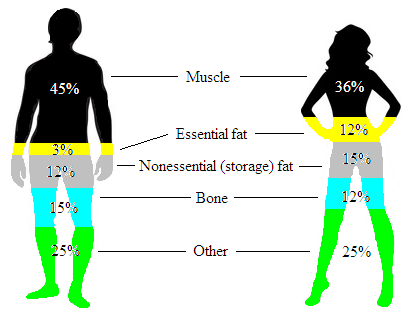
The way body fat is distributed can also influence the gap between a woman’s legs. Women tend to accumulate fat in areas like the hips, thighs, and buttocks, which can create a more noticeable gap. However, body composition is just one factor—bone structure and muscle tone also play significant roles.
The Role of Body Fat Distribution
Body fat distribution varies greatly between individuals and is influenced by genetics, diet, and lifestyle factors. For example, women with more fat distributed in the thighs and hips may have a more pronounced gap between their legs, while women with less fat in these areas may not have as noticeable a gap. However, it’s essential to understand that this is not a marker of health or fitness; it’s simply a physical trait that results from genetic and environmental factors.
Hormonal Changes and Their Effect on the Gap

As women go through different life stages, particularly pregnancy, menopause, and puberty, the body undergoes significant hormonal shifts. These hormonal changes can influence the size and shape of the pelvic region, affecting the gap between the legs.
The Impact of Pregnancy and Childbirth
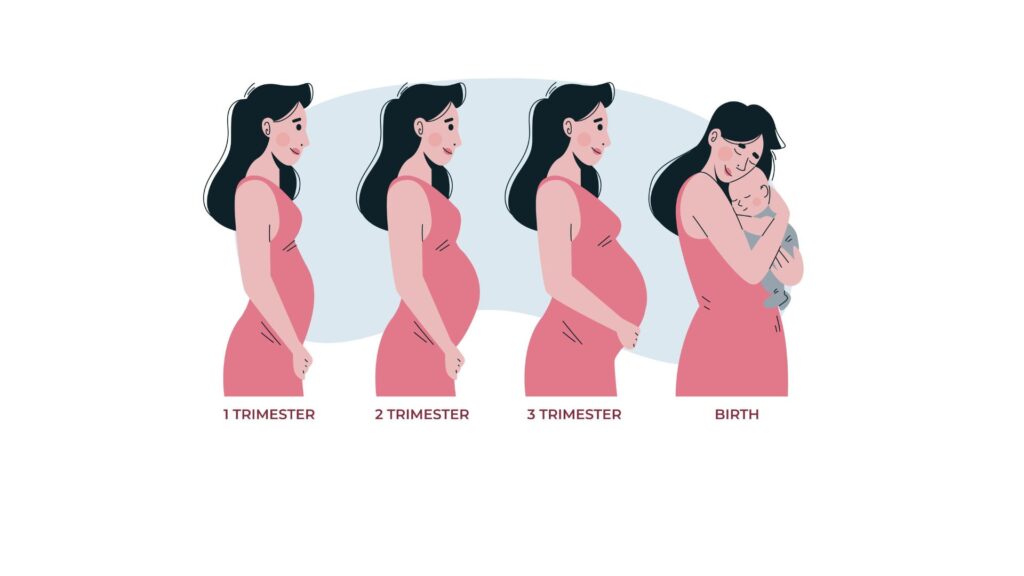
During pregnancy, the body undergoes substantial changes, including the expansion of the pelvic region to accommodate a growing baby. This temporary change can affect the gap between the legs, with many women experiencing a wider gap in the later stages of pregnancy due to the relaxation of ligaments and the widening of the pelvic bones. After childbirth, the pelvic region typically returns to its pre-pregnancy size, although some women may notice subtle changes that affect the appearance of the space between their legs.
Menopause and Hormonal Shifts
As women approach menopause, hormonal fluctuations lead to a decrease in estrogen levels, which can affect body composition, including fat distribution. Women may notice changes in the size of their thigh gap due to a reduction in fat accumulation in the hips and thighs. Additionally, the pelvic muscles may weaken over time, which could slightly alter the alignment of the legs.
The Psychological and Social Impacts of the Gap
While the space between the legs is purely a physical trait, societal influences can have a significant impact on how individuals perceive their bodies. In many cultures, the thigh gap has been marketed as an ideal body feature, particularly in the realm of fashion and beauty. However, this concept has led to misconceptions about what constitutes a healthy body.
Challenging Beauty Standards
The idealization of the thigh gap in the media has contributed to body image issues among many women. The notion that a larger gap between the legs is a symbol of beauty or fitness has perpetuated unrealistic beauty standards. It’s important to recognize that every body is different, and the gap between the legs should not be seen as a measure of one’s worth or health.
Instead of focusing on achieving a specific body shape, it’s more beneficial to embrace individual body types and focus on health, wellness, and self-confidence. Women should be encouraged to appreciate their natural body features rather than striving to fit into narrowly defined beauty standards.
Embracing Diversity in Body Shapes

The truth is that the space between the legs, or the absence of a noticeable gap, is simply a natural part of a woman’s anatomy. Every woman’s body is different, and that diversity should be celebrated. Whether you have a noticeable gap or not, it doesn’t define your health, beauty, or femininity.
Promoting Body Positivity and Health
It’s crucial to promote body positivity and encourage women to focus on health rather than appearance. Healthy lifestyle habits such as balanced nutrition, regular exercise, and self-care practices contribute to overall well-being and help individuals feel comfortable and confident in their own bodies. Rather than focusing on external traits like the gap between the legs, we should prioritize holistic health and self-love.
Conclusion: The Gap Between the Legs and What It Really Means
The gap between a woman’s legs is a natural anatomical trait influenced by genetics, hormonal changes, and body composition. It is not an indicator of health, beauty, or worth but rather a variation that highlights the complexity and diversity of human bodies. Rather than focusing on physical traits that are influenced by external pressures, women should embrace their individual body shapes and understand that health comes in many forms.
The space between the legs, just like any other part of the body, is unique to each individual. It doesn’t define who you are or how healthy you are. Instead, it’s just one of the many characteristics that make you who you are. Celebrating diversity in body shapes and prioritizing holistic health and wellness will always be the most powerful approach to self-care and well-being.
It might sound unusual at first, but some believe the shape of a woman’s legs can reveal a great deal — not just about her physical form, but about her character, attitude, and even her approach to relationships. From ancient Greece to modern-day cultural psychology, people have searched for meaning in physical traits. While science doesn’t treat body shape as destiny, personality often leaves its fingerprints everywhere — even in posture, stance, and how someone carries themselves.
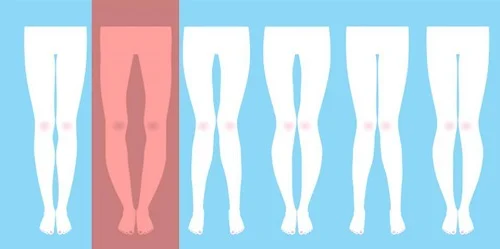
In that spirit, leg shape has become a surprisingly popular lens for self-reflection. Whether you take it as symbolic insight or simply an entertaining mirror into personality, the parallels can be strikingly accurate. So, what might your legs say about you?
The Language of Stance and Confidence
People tend to overlook how much our lower body communicates. The way someone stands — feet slightly apart or close together, knees aligned or angled — can speak volumes about confidence, openness, and emotional grounding. Posture reveals comfort with one’s body, and comfort often comes from a deep sense of inner stability.
Women who stand naturally tall, with a balanced stance, often project assurance and ease. It’s not about size or symmetry; it’s about presence. These women tend to know their worth without needing constant validation. They don’t chase approval, and they rarely fold under social pressure. When they walk into a room, their calm confidence tends to anchor others, even if they say nothing.
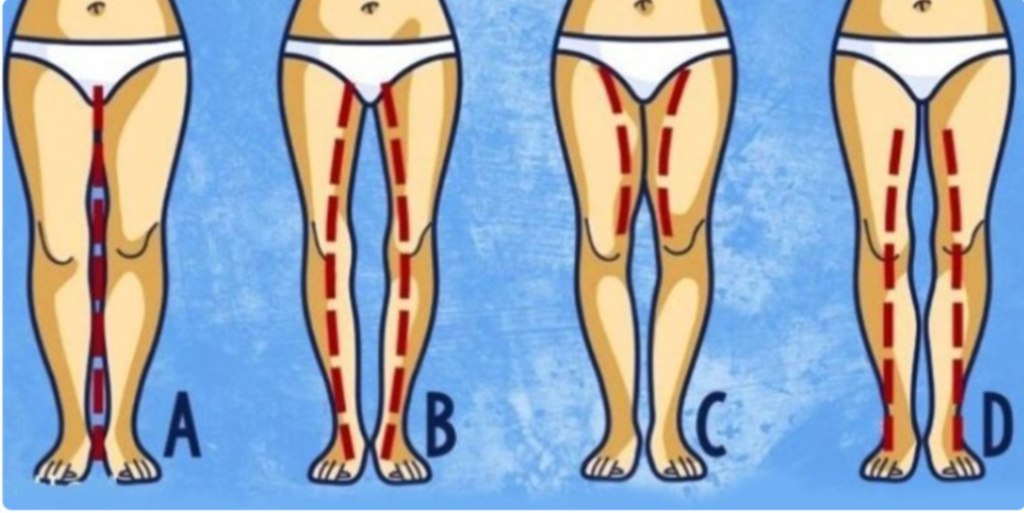
Women whose thighs and knees touch while their calves remain slightly apart — a more traditionally aligned stance — are often described as grounded, empathetic, and emotionally tuned in. They’re usually the ones people turn to for advice, comfort, or perspective. Their nature leans toward connection rather than competition.
In relationships, this type often prioritizes emotional intimacy. They value shared experiences and steady loyalty. While they can sometimes overextend themselves trying to care for others, their strength lies in compassion. They’re the quiet stabilizers in friendships, the steady partners who believe love isn’t a game — it’s a commitment built over time.
Type B: The Independent Stance
When the legs stand slightly apart — with visible space between the thighs — the impression often reflects independence and confidence. Women with this posture tend to feel at ease in solitude. They know how to stand on their own, both literally and figuratively. Their boundaries are clear, and their self-respect is non-negotiable.
These women usually chase goals with focus. They’re ambitious not because they seek recognition, but because they believe in personal growth. Their independence can be intimidating to those who mistake solitude for arrogance, but once you earn their trust, you find loyalty and passion in equal measure.
In love, they seek a partner, not a project. They value someone who respects their autonomy and doesn’t feel threatened by it. To them, freedom is love’s most honest expression. They don’t cling, they connect — and that makes their affection deeply genuine.
For women whose legs only meet at the ankles, forming a gentle arc, there’s often a natural playfulness about them. They’re expressive, spontaneous, and led by curiosity. Life, to them, is best experienced hands-on. They take risks, follow instincts, and rarely sit still for long.
In relationships, this openness can translate into warmth and passion. They fall hard, love deeply, and aren’t afraid to show it. But they also need a sense of adventure to stay fulfilled. Predictability feels like confinement; they need a partner who matches their energy, someone who keeps life interesting and dynamic.
Their biggest challenge? Staying still long enough to let people truly see them. But when they do, their authenticity shines bright — unfiltered, sincere, and disarming in its honesty.
Type D: The Reserved and Observant
Women whose legs meet from thighs to calves, leaving only a small gap at the ankles, tend to exude quiet grace. They observe before acting, think before speaking, and rarely rush decisions. They’re measured — not shy, but deliberate.
This composure can be mistaken for distance, but it hides depth. They analyze, reflect, and rarely let emotions lead without reason. In work, they’re precise and dependable. In love, they value trust over thrill, depth over drama. Once they let someone in, it’s not a temporary invitation — it’s lasting.
They’re often drawn to structure and reliability, yet underneath that calm surface lies a romantic who believes in genuine partnership. They may not wear their heart on their sleeve, but their loyalty runs deep.
Beyond the Shape: What Really Matters
It’s easy to get lost in comparisons — to wonder whether one type is better, stronger, or more attractive. But this kind of reflection isn’t about judgment; it’s about awareness. The truth is, personality and body often evolve together. The way we move, stand, and walk mirrors our confidence, our habits, even our emotional stories.
For centuries, different cultures have connected body language to inner character. Ancient Greek statues portrayed harmony between form and virtue. Eastern traditions saw posture as an indicator of energy flow and spiritual alignment. Modern psychology echoes the same truth in subtler terms: your body reflects your mind.
Confidence changes stance. Stress alters posture. Freedom softens movement. Every choice we make leaves traces in how we carry ourselves.
Modern Reflections: Owning Your Space
Today, conversations about body shape tend to focus on appearance — measurements, tone, aesthetics. But perhaps the more powerful perspective is this: how does your body make you feel? Do you move through the world comfortably? Do you stand with ease, or do you shrink to fit expectations? These are the real questions worth asking.
The shape of your legs doesn’t define your destiny. It’s a metaphor for how you stand in life. Are you firm in your boundaries? Flexible in spirit? Ready to move forward or rooted where you are? The answers aren’t in symmetry — they’re in self-awareness.
Confidence, compassion, independence, or sensitivity — no shape has a monopoly on worth. The beauty lies in balance. In learning when to stand tall, when to bend, and when to walk away.
The Takeaway
Maybe your legs don’t reveal your personality so much as reflect the journey you’ve walked. The way you stand today comes from every lesson, setback, and recovery that shaped you. So whether you see yourself as independent and fierce, grounded and nurturing, or playful and free — none of it is fixed. You can be all of those things, at different times, in different ways.
The human body is not a code to crack. It’s a story in motion — one that keeps evolving as you do.
So the next time you catch your reflection, don’t focus on the space between your legs or the curve of your stance. Look deeper. You’ll see confidence forged in struggle, strength shaped by experience, and a person who knows, finally, how to stand tall — exactly as she is.