
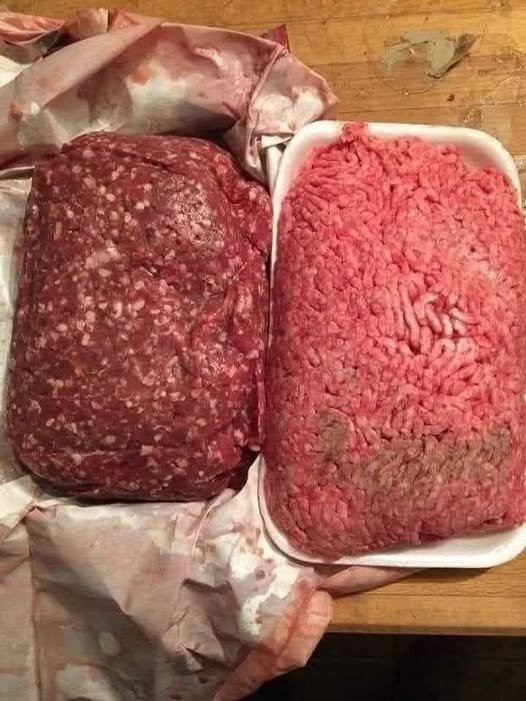
When it comes to the food on your plate, not all beef is created equal. Understanding the difference between store-bought and farm-raised beef can help you make more informed choices that affect your health, your wallet, and even the environment.
Farm-raised beef, especially from small-scale local farms, often comes from cattle raised on
a grass-fed or grain-finished diet with plenty of pasture time. This typically results in meat that is more flavorful, with a
firmer texture and richer marbling. Store-bought beef, particularly from large supermarket chains, may come from cattle raised in feedlots with a high-grain diet and limited space to roam. While it may look more uniform, it can lack the depth of flavor that many associate with traditional farm-raised meat.
The difference between store-bought and farm-raised beef can significantly impact your health, the environment, and the farming industry.
Store-bought beef often comes from large-scale industrial farms, where cattle are fed antibiotics and hormones to promote growth. This can lead to:
– Higher risk of antibiotic resistance
– Hormone-related health issues
– Lower nutritional value (e.g., less omega-3)
Farm-raised beef, on the other hand, typically involves more sustainable and humane practices:
– Grass-fed, resulting in higher nutritional value
– No antibiotics or hormones
– Better animal welfare
– Environmental benefits (e.g., soil carbon sequestration)
However, farm-raised beef can be more expensive and harder to find.
When choosing beef, consider factors like:
– Nutritional content
– Environmental impact
– Animal welfare
– Taste and quality
Opting for farm-raised, grass-fed beef supports sustainable agriculture and may offer health benefits. But if budget is a concern, look for store-bought options with clear labeling (e.g., “grass-fed,” “no antibiotics”) 🐮.
The Beef on Store-Bought vs Farm-Raised MeatWhen it comes to beef, not all products are created equal. The difference between store-bought and farm-raised beef can significantly impact your health, the environment, and the farming industry.
Store-Bought Beef: What’s the Catch?Store-bought beef often comes from large-scale industrial farms, where cattle are fed antibiotics and hormones to promote growth. This can lead to:
– Higher risk of antibiotic resistance
– Hormone-related health issues
– Lower nutritional value (e.g., less omega-3)
Farm-Raised Beef: A Healthier Alternative?Farm-raised beef, on the other hand, typically involves more sustainable and humane practices:
– Grass-fed, resulting in higher nutritional value
– No antibiotics or hormones
– Better animal welfare
– Environmental benefits (e.g., soil carbon sequestration)
Key ConsiderationsWhen choosing beef, consider factors like:
Bottom LineOpting for farm-raised, grass-fed beef supports sustainable agriculture and may offer health benefits. However, if budget is a concern, look for store-bought options with clear labeling (e.g., “grass-fed,” “no antibiotics”). Prioritize your health, the environment, and the farming industry – choose wisely!